Hyperbaric oxygen therapy (HBOT) has long been a standard tool for decompression sickness, carbon monoxide poisoning and stubborn wounds. Now a growing number of clinics say it can do much more:
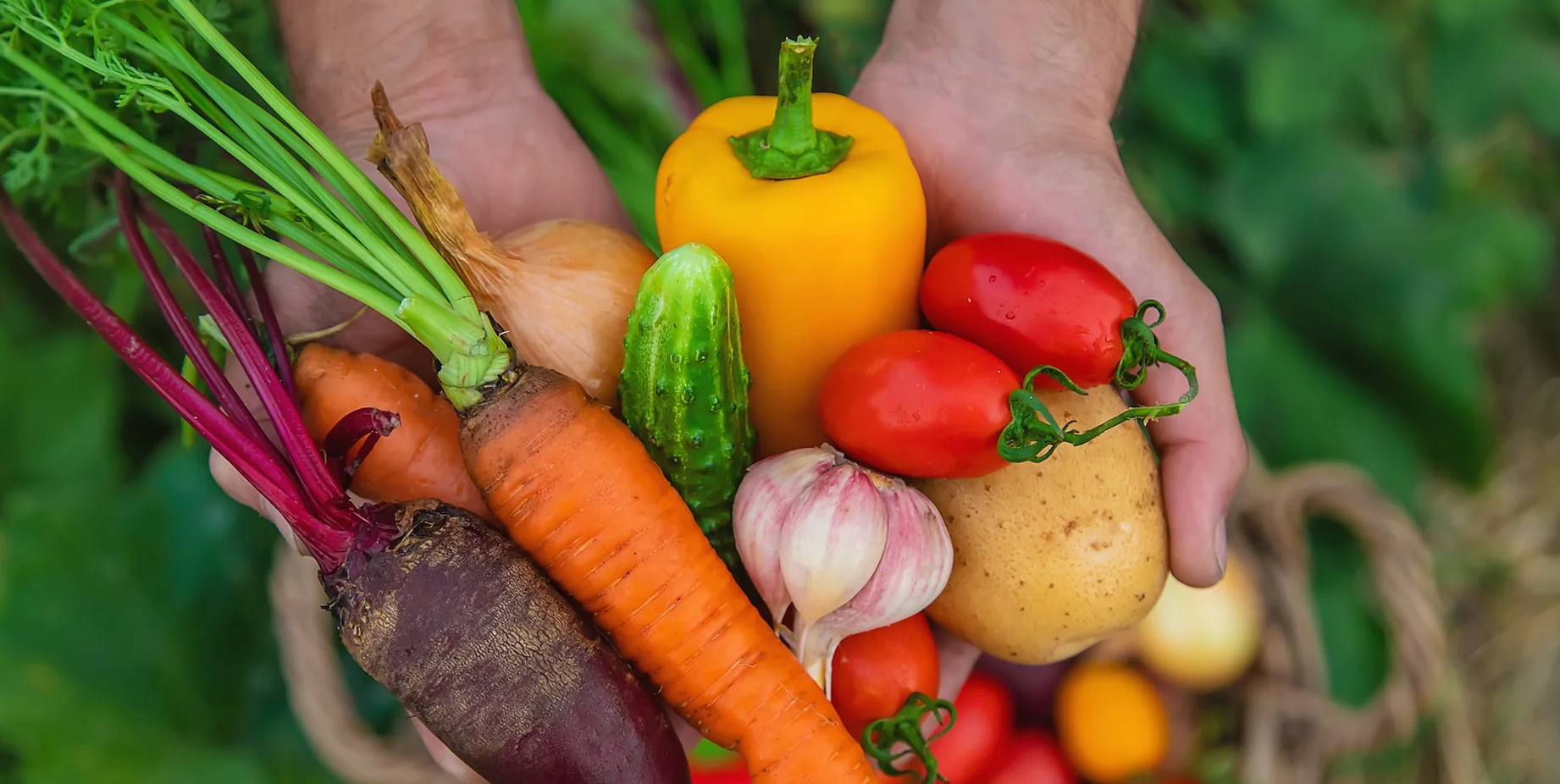
Plants, fats, and fermented foods can reduce wrinkles, boost collagen and improve the texture of our skin.
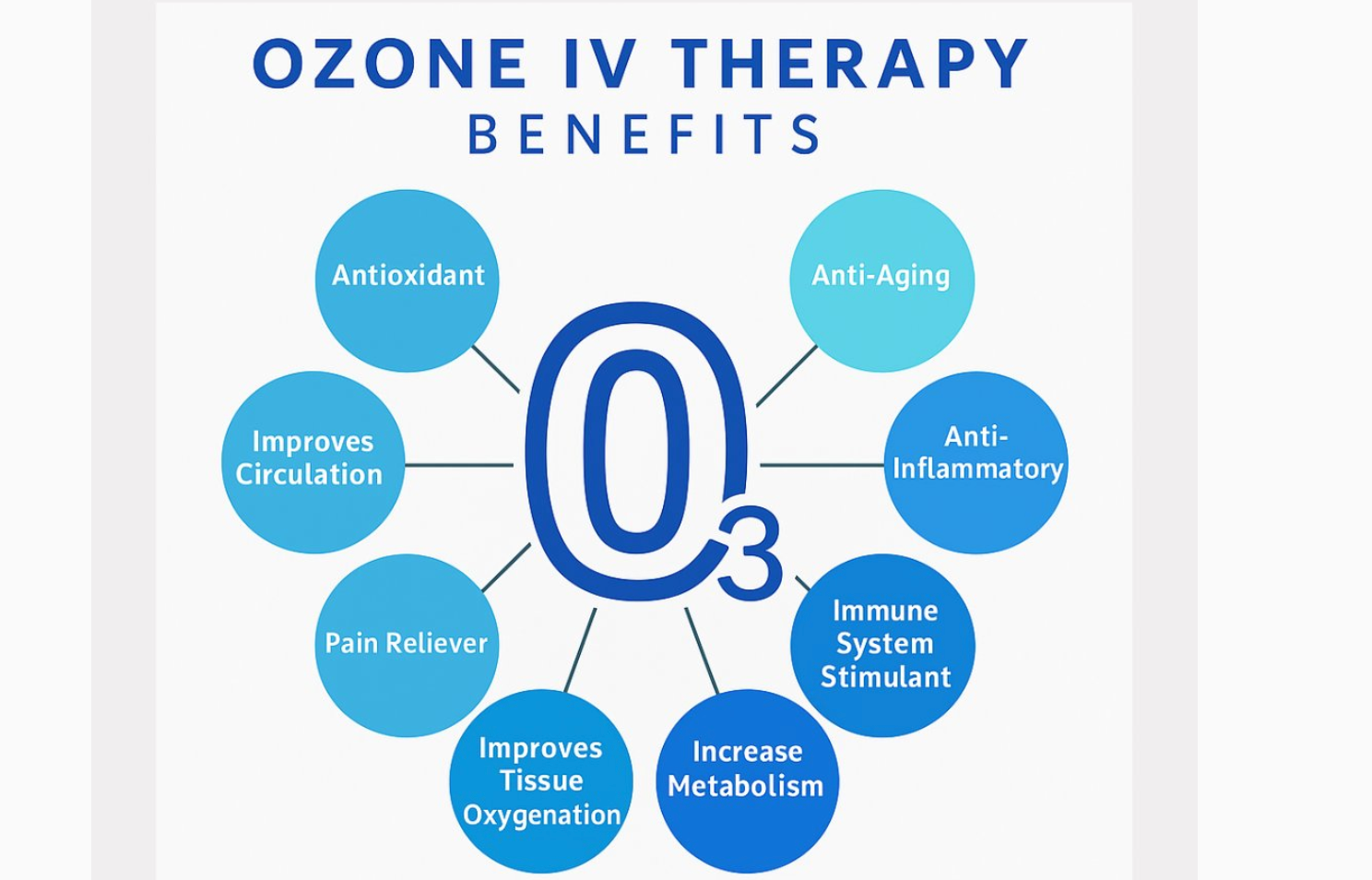
You’ve probably heard of ozone as the layer in the sky that protects us from the sun, or as the smog that makes breathing harder on hot days. Some doctors also use it as a medical treatment.
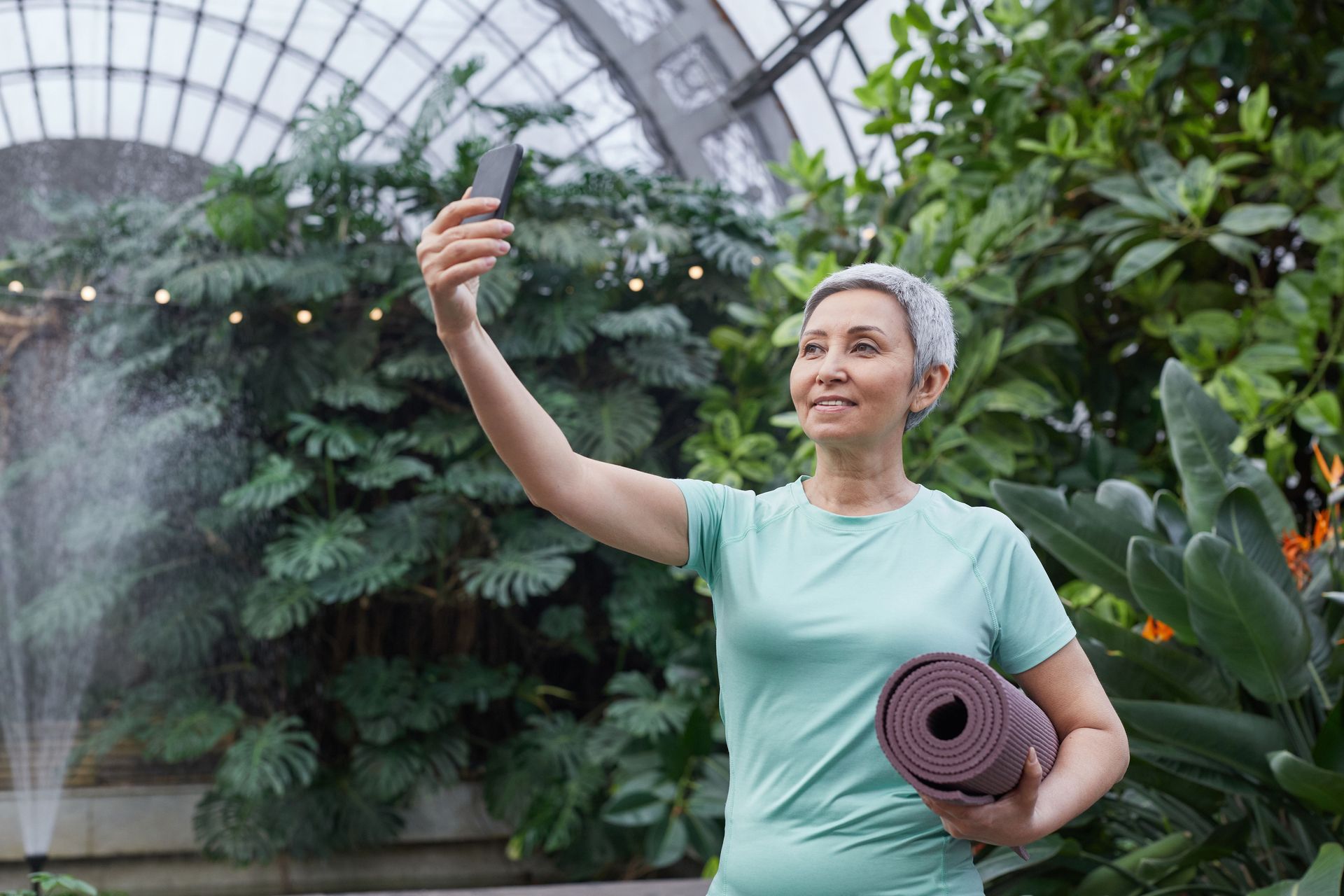
System can estimate a person’s biological age and predict chances of cancer survival from a single photograph
TL;DR Do red light therapy on clean, dry, bare skin, then apply your skincare afterward. Products applied first, such as makeup, heavy creams, oils, and tinted or mineral sunscreens, can block or scatter light before it reaches your skin. Skin tends to absorb hydrating serums and moisturizers well right after a session, so save them for after. You do not need a branded activation serum for red light therapy to work. Consistency matters more than the layers you use. If you have invested in a red light panel and a shelf of serums, one practical question tends to come up fast. Do you apply your skincare before or after a session? The honest answer is that the order matters more than most people expect, because red light therapy, also called photobiomodulation (PBM), only works when the light actually reaches your skin and is absorbed by your cells. Anything sitting on the surface can get in the way. This guide covers the simple rule for red light therapy before or after skincare, why clean skin matters, what to skip beforehand, and how to sequence a morning and evening routine so you are not wasting either the light or your products. The short answer: Red light on clean skin, skincare after For skincare before or after red light therapy, the rule is simple. Use the light on clean, bare skin first, then apply your products after the session. Two things drive that order. First, the light needs a clear path to your skin, so a bare surface gives the most consistent dose. Second, freshly treated skin is a good moment to layer hydrating products, because you are working with a clean surface and you can reseal moisture right after. Most dermatologists and device manufacturers land on the same sequence for these reasons, and it holds for a face mask, a handheld device, or a full red light therapy panel . The rest of this guide explains the why, the exceptions, and the exact routine. Why red light therapy works best on bare skin Red and near-infrared light has to physically reach your skin to do anything. Once it gets there, it is absorbed by structures inside your cells, in particular an enzyme called cytochrome c oxidase in the mitochondria, which is the interaction at the center of photobiomodulation research . If the light is blocked before it reaches those cells, less energy reaches those cells, and the session does less. That is why red light therapy on clean skin yields the most reliable results. Makeup, heavy creams, and oils sit on the skin's surface and can first reflect, scatter, or absorb light. Mineral and tinted sunscreens pose a specific problem because the iron oxides in tinted formulas are designed to block visible light, and a 2025 review found that tinted mineral sunscreens can attenuate more than 90% of high-energy visible light. Red wavelengths fall in that visible range, so a layer of tinted SPF works against the very light you are trying to deliver. Even a wet surface can increase reflection, which is why patting dry matters. What to apply after red light therapy Once the session is done, it is a good time to nourish the skin. Blood flow to the treated area tends to increase during a session, and applying products afterward means you are layering onto a clean, receptive surface rather than fighting through a layer of product. A reasonable order is a lightweight hydrating serum first, such as hyaluronic acid, then a moisturizer to reseal the surface. If you are doing your session in the morning, finish with sunscreen as the last step. Antioxidant serums like vitamin C and niacinamide are also well suited to the post-session window. Based on PlatinumLED's observations from its user base, many people apply these afterward to take advantage of the fresh, clean surface rather than layering them before the light. The goal when you moisturize after red light therapy is simple: support the skin you just treated and lock in hydration. There is no need to rush strong or harsh activities into this moment. Gentle, calming, hydrating formulas are the safer choice right after a session. What to avoid before a session Knowing what to put on skin before red light therapy is mostly a list of what to leave off. Skip makeup and sunscreen, since both form a barrier and can block the light. Skip heavy creams and oils, which reflect and scatter it. And hold off on the strong, potentially irritating actives, including retinoids like retinol, tretinoin, and adapalene; exfoliating acids such as AHAs and BHAs; benzoyl peroxide; and high-strength vitamin C. The reason is comfort and skin health, not danger. Stacking irritating or photosensitizing ingredients right before a session can raise the chance of redness or sensitivity, so it is kinder to your skin to space them out. Move those products to a separate part of your routine or to an evening when you are not running a session, and follow your dermatologist's guidance if you use prescription-strength versions. Think of it as skin-friendly sequencing rather than a rule that says any single product is off-limits. Exceptions: when something before is okay There is a useful nuance here that answers the common question of whether you should apply serum before or after red light therapy. A thin, fully absorbed, water-based hydrating serum, such as hyaluronic acid, is generally fine before a session if your skin feels dry and tight. It sits lightly on the surface and does not create the kind of barrier that heavier products do. The other exception is hardware. Some wands and devices are designed to be used with a conductive or activating gel; if yours is, follow the device's instructions. That is different from an optional add-on. Red light therapy does not require a branded activation serum to work, and piling on more product does not amplify your results. What drives visible change is consistent, well-dosed sessions over time, which you can read more about in the guide to near-infrared light spectrum . Morning vs evening: the best order The constant in any routine is the same. Red light goes on clean, bare skin, and skincare comes after. Around that, a morning and an evening routine can look a little different.
In this article, we explore the art of the morning routine.
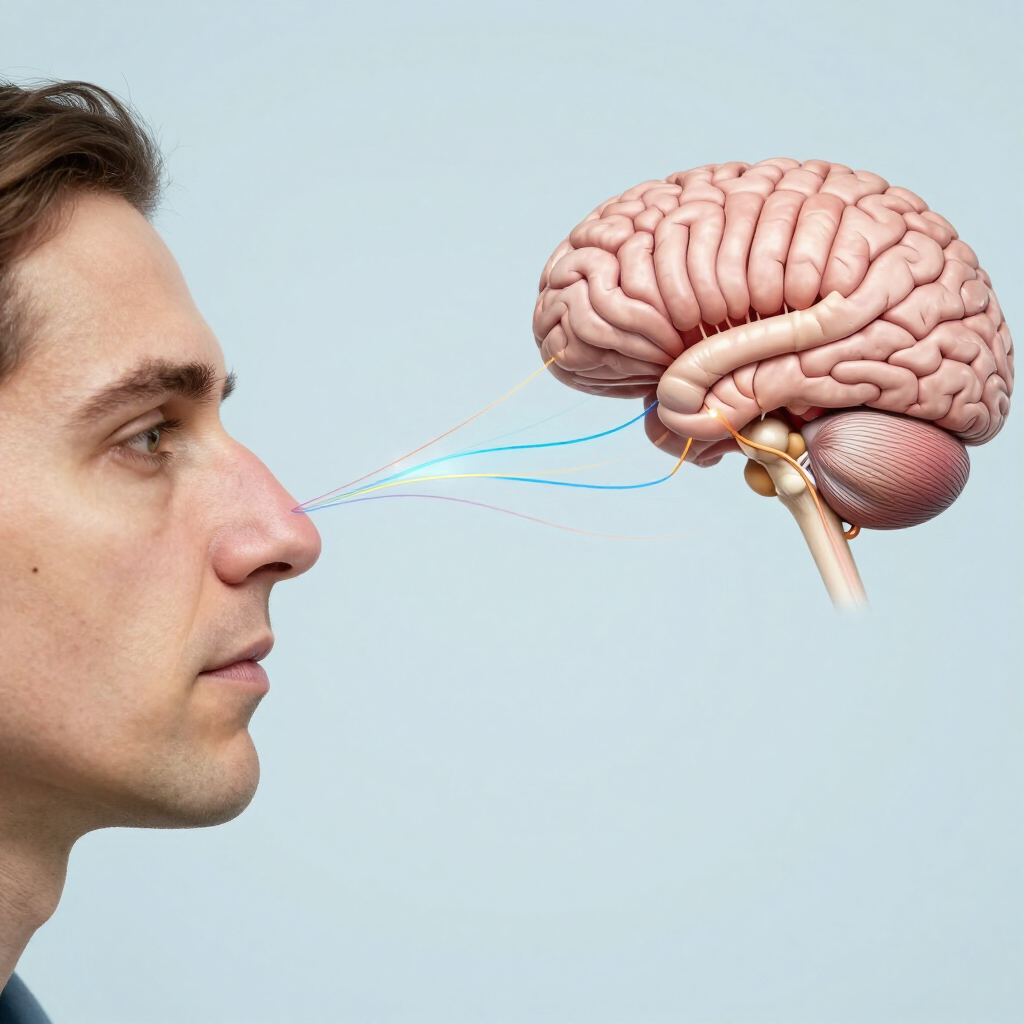
Gray hair and wrinkles come with age, but what many of us fear most is losing our memory. A Global Brain Health Institute survey found that more than half of respondents worry about it. Neuroscientist Michael Leon, PhD, a former professor at UC Irvine, thinks part of the answer may be right under our noses. The brain's "superhighway" Smell is different from our other senses. Over the course of evolution, the other senses were rerouted through other parts of the brain, but the olfactory system still runs straight to the hippocampus, the brain's memory hub. Every time you breathe in a scent, you're reaching deep into the part of your brain that stores memories. Sommeliers show what this can do. They spend years smelling and memorizing thousands of wines, and a 2016 study found that the memory regions of master sommeliers' brains are thicker than average. Alzheimer's attacks those same regions first, so the researchers suggested that a thicker memory center could mean more protection against the disease. A 226 percent memory boost Leon's team tested the idea on 43 adults aged 60 to 85. Every night, half of them used a diffuser that released a rotating set of essential oils. The other half got a placebo with only trace amounts of scent. After six months, the scent group's memory scores had improved by 226 percent compared with the placebo group. Leon calls it "the largest improvement in memory that anyone has found." The reverse is also true. A later study by Leon's team linked loss of smell to 139 neurodegenerative conditions, including Alzheimer's and dementia. That matters because many COVID-19 patients lost some or all of their sense of smell. One study found that 24 percent of them recovered only partly and 3 percent didn't recover at all. You can retrain your sense of smell The good news is that the "hardware" for smelling, the neurons and receptors, usually stays in place even after smell fades. Leon says regularly exposing yourself to many different odors can help bring it back. Traditional smell training takes months of daily practice, but everyday activities can work too. One study found that regular cooking classes beat standard smell training at restoring smell. Younger people may benefit as well. Leon's team believes scent stimulation may be tied to executive function: focus, flexible thinking, and impulse control. They say more research is needed before drawing conclusions about student learning. The takeaway You don't need to sniff everything around you to benefit. Leon's team has turned the research into a product called Memory Air, a nightly device that cycles through 40 scents ($399, plus $49 a month for refills). The everyday lesson is simpler: smell a wide variety of things. Cook, garden, and literally stop to smell the roses. Your memory may be better for it. Note: the 226 percent result comes from one small study, and Leon also sells the product built on it, so it's best read as promising early evidence rather than settled science.

Antibiotics are among the most prescribed drugs in the world, and they save lives. But they don't only kill the bacteria making you sick. They also wipe out many of the helpful microbes in your gut. A new study published September 30 in Nature suggests that what you eat while taking antibiotics, especially sugar, can make that damage worse. Your gut's hidden ecosystem Your digestive tract is home to trillions of bacteria that evolved alongside humans. They help digest food and support the immune system. A healthy gut has a wide variety of species, and that variety helps keep harmful bacteria from taking over. Antibiotics reduce this variety, which leaves the gut more open to infection and disease. What the researchers found Researchers from NYU Langone Health, City of Hope and Memorial Sloan Kettering ran one of the largest and most detailed studies of its kind. They logged every food item in 9,419 meals eaten by 173 hospitalized blood cancer patients , and they collected microbiome samples from those patients every day. The main findings: Sugar made the damage worse. For every 100 grams of sugar a patient ate in the 48 hours before antibiotic treatment, the variety of helpful gut bacteria dropped by an extra 21 percent . Harmful bacteria grew fast. The mix of sugar and antibiotics led to blooms of Enterococcus faecium, a bacterium linked to hard-to-treat infections. Mouse experiments showed the same thing. In mice given an antibiotic plus dietary sugar, Enterococcus levels rose 16-fold by day 3 and 33-fold by day 6 . Why sugar matters The researchers' best explanation is that the harmful bacteria left standing after antibiotics feed on dietary sugar and use it to multiply while their competitors are gone. As study author William Jogia put it, sugar seems to act as an "amplifier" of antibiotic damage. The exact mechanism is still unclear. Sugar might feed Enterococcus directly, weaken competing bacteria, or work in some other way. Why cancer patients? Blood cancer patients who get stem cell transplants often stay in the hospital for weeks. During that time they receive chemotherapy and antibiotics, and their diets can be tracked closely. Damage to the gut microbiome in these patients is linked to more infections and higher mortality, so protecting it could matter a great deal. The takeaway "Our study suggests that modifying diet during and after antibiotics, specifically by reducing sweets intake, could help," said co-senior author Dr. Jonas Schluter of NYU Langone. The research is still early, and the next step is clinical trials to test whether short-term changes to diet improve patient outcomes. Still, the message is a practical one: if you're on antibiotics, cutting back on sweets may be a simple way to help your gut recover. Source: NYU Langone News, "Sugar Amplifies Damage Done to Gut Health by Antibiotics" ; study published in Nature .
5 Everyday Toxins That Age You By Damaging Your Mitochondria

Source: "The Ancestral Mismatch: Why modern life is making us sick," by Dr. Eric Berg, DC — Biohack Yourself, Expert Spotlight (Evolutionary Health), pp. 29–30.