TL;DR Do red light therapy on clean, dry, bare skin, then apply your skincare afterward. Products applied first, such as makeup, heavy creams, oils, and tinted or mineral sunscreens, can block or scatter light before it reaches your skin. Skin tends to absorb hydrating serums and moisturizers well right after a session, so save them for after. You do not need a branded activation serum for red light therapy to work. Consistency matters more than the layers you use. If you have invested in a red light panel and a shelf of serums, one practical question tends to come up fast. Do you apply your skincare before or after a session? The honest answer is that the order matters more than most people expect, because red light therapy, also called photobiomodulation (PBM), only works when the light actually reaches your skin and is absorbed by your cells. Anything sitting on the surface can get in the way. This guide covers the simple rule for red light therapy before or after skincare, why clean skin matters, what to skip beforehand, and how to sequence a morning and evening routine so you are not wasting either the light or your products. The short answer: Red light on clean skin, skincare after For skincare before or after red light therapy, the rule is simple. Use the light on clean, bare skin first, then apply your products after the session. Two things drive that order. First, the light needs a clear path to your skin, so a bare surface gives the most consistent dose. Second, freshly treated skin is a good moment to layer hydrating products, because you are working with a clean surface and you can reseal moisture right after. Most dermatologists and device manufacturers land on the same sequence for these reasons, and it holds for a face mask, a handheld device, or a full red light therapy panel . The rest of this guide explains the why, the exceptions, and the exact routine. Why red light therapy works best on bare skin Red and near-infrared light has to physically reach your skin to do anything. Once it gets there, it is absorbed by structures inside your cells, in particular an enzyme called cytochrome c oxidase in the mitochondria, which is the interaction at the center of photobiomodulation research . If the light is blocked before it reaches those cells, less energy reaches those cells, and the session does less. That is why red light therapy on clean skin yields the most reliable results. Makeup, heavy creams, and oils sit on the skin's surface and can first reflect, scatter, or absorb light. Mineral and tinted sunscreens pose a specific problem because the iron oxides in tinted formulas are designed to block visible light, and a 2025 review found that tinted mineral sunscreens can attenuate more than 90% of high-energy visible light. Red wavelengths fall in that visible range, so a layer of tinted SPF works against the very light you are trying to deliver. Even a wet surface can increase reflection, which is why patting dry matters. What to apply after red light therapy Once the session is done, it is a good time to nourish the skin. Blood flow to the treated area tends to increase during a session, and applying products afterward means you are layering onto a clean, receptive surface rather than fighting through a layer of product. A reasonable order is a lightweight hydrating serum first, such as hyaluronic acid, then a moisturizer to reseal the surface. If you are doing your session in the morning, finish with sunscreen as the last step. Antioxidant serums like vitamin C and niacinamide are also well suited to the post-session window. Based on PlatinumLED's observations from its user base, many people apply these afterward to take advantage of the fresh, clean surface rather than layering them before the light. The goal when you moisturize after red light therapy is simple: support the skin you just treated and lock in hydration. There is no need to rush strong or harsh activities into this moment. Gentle, calming, hydrating formulas are the safer choice right after a session. What to avoid before a session Knowing what to put on skin before red light therapy is mostly a list of what to leave off. Skip makeup and sunscreen, since both form a barrier and can block the light. Skip heavy creams and oils, which reflect and scatter it. And hold off on the strong, potentially irritating actives, including retinoids like retinol, tretinoin, and adapalene; exfoliating acids such as AHAs and BHAs; benzoyl peroxide; and high-strength vitamin C. The reason is comfort and skin health, not danger. Stacking irritating or photosensitizing ingredients right before a session can raise the chance of redness or sensitivity, so it is kinder to your skin to space them out. Move those products to a separate part of your routine or to an evening when you are not running a session, and follow your dermatologist's guidance if you use prescription-strength versions. Think of it as skin-friendly sequencing rather than a rule that says any single product is off-limits. Exceptions: when something before is okay There is a useful nuance here that answers the common question of whether you should apply serum before or after red light therapy. A thin, fully absorbed, water-based hydrating serum, such as hyaluronic acid, is generally fine before a session if your skin feels dry and tight. It sits lightly on the surface and does not create the kind of barrier that heavier products do. The other exception is hardware. Some wands and devices are designed to be used with a conductive or activating gel; if yours is, follow the device's instructions. That is different from an optional add-on. Red light therapy does not require a branded activation serum to work, and piling on more product does not amplify your results. What drives visible change is consistent, well-dosed sessions over time, which you can read more about in the guide to near-infrared light spectrum . Morning vs evening: the best order The constant in any routine is the same. Red light goes on clean, bare skin, and skincare comes after. Around that, a morning and an evening routine can look a little different.

In this article, we explore the art of the morning routine.
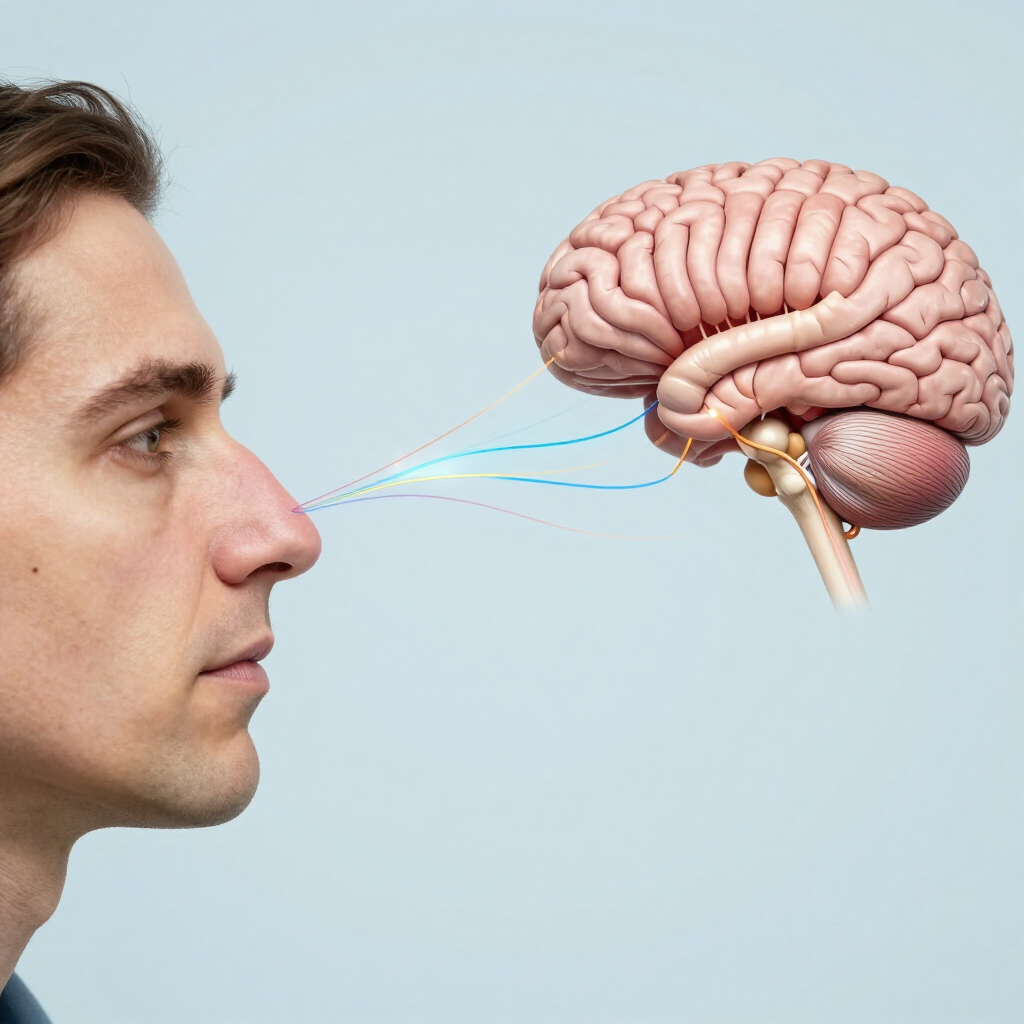
Gray hair and wrinkles come with age, but what many of us fear most is losing our memory. A Global Brain Health Institute survey found that more than half of respondents worry about it. Neuroscientist Michael Leon, PhD, a former professor at UC Irvine, thinks part of the answer may be right under our noses. The brain's "superhighway" Smell is different from our other senses. Over the course of evolution, the other senses were rerouted through other parts of the brain, but the olfactory system still runs straight to the hippocampus, the brain's memory hub. Every time you breathe in a scent, you're reaching deep into the part of your brain that stores memories. Sommeliers show what this can do. They spend years smelling and memorizing thousands of wines, and a 2016 study found that the memory regions of master sommeliers' brains are thicker than average. Alzheimer's attacks those same regions first, so the researchers suggested that a thicker memory center could mean more protection against the disease. A 226 percent memory boost Leon's team tested the idea on 43 adults aged 60 to 85. Every night, half of them used a diffuser that released a rotating set of essential oils. The other half got a placebo with only trace amounts of scent. After six months, the scent group's memory scores had improved by 226 percent compared with the placebo group. Leon calls it "the largest improvement in memory that anyone has found." The reverse is also true. A later study by Leon's team linked loss of smell to 139 neurodegenerative conditions, including Alzheimer's and dementia. That matters because many COVID-19 patients lost some or all of their sense of smell. One study found that 24 percent of them recovered only partly and 3 percent didn't recover at all. You can retrain your sense of smell The good news is that the "hardware" for smelling, the neurons and receptors, usually stays in place even after smell fades. Leon says regularly exposing yourself to many different odors can help bring it back. Traditional smell training takes months of daily practice, but everyday activities can work too. One study found that regular cooking classes beat standard smell training at restoring smell. Younger people may benefit as well. Leon's team believes scent stimulation may be tied to executive function: focus, flexible thinking, and impulse control. They say more research is needed before drawing conclusions about student learning. The takeaway You don't need to sniff everything around you to benefit. Leon's team has turned the research into a product called Memory Air, a nightly device that cycles through 40 scents ($399, plus $49 a month for refills). The everyday lesson is simpler: smell a wide variety of things. Cook, garden, and literally stop to smell the roses. Your memory may be better for it. Note: the 226 percent result comes from one small study, and Leon also sells the product built on it, so it's best read as promising early evidence rather than settled science.

Antibiotics are among the most prescribed drugs in the world, and they save lives. But they don't only kill the bacteria making you sick. They also wipe out many of the helpful microbes in your gut. A new study published September 30 in Nature suggests that what you eat while taking antibiotics, especially sugar, can make that damage worse. Your gut's hidden ecosystem Your digestive tract is home to trillions of bacteria that evolved alongside humans. They help digest food and support the immune system. A healthy gut has a wide variety of species, and that variety helps keep harmful bacteria from taking over. Antibiotics reduce this variety, which leaves the gut more open to infection and disease. What the researchers found Researchers from NYU Langone Health, City of Hope and Memorial Sloan Kettering ran one of the largest and most detailed studies of its kind. They logged every food item in 9,419 meals eaten by 173 hospitalized blood cancer patients , and they collected microbiome samples from those patients every day. The main findings: Sugar made the damage worse. For every 100 grams of sugar a patient ate in the 48 hours before antibiotic treatment, the variety of helpful gut bacteria dropped by an extra 21 percent . Harmful bacteria grew fast. The mix of sugar and antibiotics led to blooms of Enterococcus faecium, a bacterium linked to hard-to-treat infections. Mouse experiments showed the same thing. In mice given an antibiotic plus dietary sugar, Enterococcus levels rose 16-fold by day 3 and 33-fold by day 6 . Why sugar matters The researchers' best explanation is that the harmful bacteria left standing after antibiotics feed on dietary sugar and use it to multiply while their competitors are gone. As study author William Jogia put it, sugar seems to act as an "amplifier" of antibiotic damage. The exact mechanism is still unclear. Sugar might feed Enterococcus directly, weaken competing bacteria, or work in some other way. Why cancer patients? Blood cancer patients who get stem cell transplants often stay in the hospital for weeks. During that time they receive chemotherapy and antibiotics, and their diets can be tracked closely. Damage to the gut microbiome in these patients is linked to more infections and higher mortality, so protecting it could matter a great deal. The takeaway "Our study suggests that modifying diet during and after antibiotics, specifically by reducing sweets intake, could help," said co-senior author Dr. Jonas Schluter of NYU Langone. The research is still early, and the next step is clinical trials to test whether short-term changes to diet improve patient outcomes. Still, the message is a practical one: if you're on antibiotics, cutting back on sweets may be a simple way to help your gut recover. Source: NYU Langone News, "Sugar Amplifies Damage Done to Gut Health by Antibiotics" ; study published in Nature .
5 Everyday Toxins That Age You By Damaging Your Mitochondria

Source: "The Ancestral Mismatch: Why modern life is making us sick," by Dr. Eric Berg, DC — Biohack Yourself, Expert Spotlight (Evolutionary Health), pp. 29–30.

Quick Summary...
Quick summary: Red light therapy (photobiomodulation, or PBM) may support the appearance of some scars, but it works best as a gentle complement to professional care rather than a standalone fix Results vary a lot by scar type and age, with the most consistent signal for fresh scars and prevention, and slower change for older, set scars Acne, surgical, keloid, hypertrophic, and stretch mark scars each behave differently, so expectations should match the scar A higher-output panel with red and near-infrared wavelengths reaches thick scar tissue better than a low-output mask A visible scar can make you second-guess a photo, a neckline, or a pair of shorts, and if that sounds familiar, you are far from alone. Skin fibrosis, the biology behind raised and stubborn scars, affects more than 100 million people a year, according to skin fibrosis research . The honest question behind most searches for red light therapy for scars is whether it can actually fade a scar, and whether the answer depends on the kind of scar you have. Red light therapy, also called photobiomodulation (PBM), uses specific red and near-infrared wavelengths that may support the skin's natural healing and the look of some scars. Results vary widely by scar type and age, and it works best as a gentle, non-UV complement to professional care rather than a guaranteed eraser. As an early pioneer of clinical-style home panels, PlatinumLED has spent years refining the wavelengths and output that this kind of work depends on. Here is what the evidence supports for each scar type, and how to choose a device that can reach the tissue. Red light therapy may support the appearance of certain scars by encouraging the skin's normal repair activity, and the evidence is strongest for preventing or softening new scars rather than removing old ones. Whether it helps depends heavily on the scar's type, age, and depth, so the real question of whether red light therapy works on scars is several different questions with several different answers. Does red light therapy work on scars? What the evidence shows Red light therapy for skin has real science behind it, but the picture for scars specifically is promising rather than settled. The most consistent finding is that light at specific wavelengths may influence how skin repairs itself, which shapes how a scar eventually looks and feels. That is a different thing from erasing a scar, and the gap is worth being honest about. Current scar-management reviews still center on silicone gel and sheets as a first-line, low-risk option for prevention and early treatment, and an expert consensus notes that no single method is uniformly curative. Red light belongs in that mix as a gentle adjunct, not a replacement for clinician care. Setting that expectation up front is exactly why this guide reads differently from pages that promise dramatic transformations. How red and near-infrared light may affect scar tissue When red and near-infrared light reaches the skin, it is absorbed by structures inside the mitochondria, the parts of a cell that produce energy. That absorption may raise cellular energy (ATP) and support fibroblasts, circulation, and collagen and elastin activity, which govern how a scar remodels. In a 2019 study , red (640 nm) and near-infrared (830 nm) light increased the expression of collagen, elastin, and hyaluronic acid in skin cells, the proteins and molecules that influence texture and elasticity. A 2024 review of photobiomodulation describes similar mechanisms across skin and tissue repair. None of this proves a finished cosmetic result, but it explains why the therapy is studied for scars at all. The honest state of the evidence The research ranges from lab and animal work to small human case series, so the quality is uneven. One of the clearest human signals comes from prophylactic use. In an LED case series , near-infrared light (805 nm) applied to one side after scar revision resulted in better-looking scars than on the untreated side, with no significant treatment-related adverse effects. A split-face trial later explored red light for reducing post-surgical scarring. The throughline is that prevention and early intervention show the most support, while claims about dramatically changing old scars run ahead of the data. That candor is the footing this topic deserves. Prevention vs existing scars Timing matters more than almost anything else. Fresh, immature scars are still actively remodeling, so they tend to respond more quickly and completely. Mature scars are a different story. Based on PlatinumLED's observations, older scars are dense and tightly cross-linked, and while red light may support modest gains in their texture and pliability, fully reversing or flattening rigid, historical scar tissue is unrealistic. For an existing scar, think in terms of gradual changes in texture and tone over months, not days. Red light therapy for acne scars Red light therapy for acne scars is one of the most common reasons people look into this at all. Post-acne marks are often atrophic, which means the skin sits slightly pitted or depressed where a breakout healed. By supporting collagen over time, red light may gradually improve texture and tone, though it usually works best when combined with other skin care products rather than on its own. There is also a prevention angle worth knowing. Red light paired with blue light is studied for active acne, and calming breakouts earlier may mean fewer marks to deal with later. The realistic framing holds here too, since red light therapy for acne scars supports the skin's own repair rather than clearing scars outright. Red light therapy for surgical scars Red light therapy for surgical scars covers the fine-line scars left by incisions, for example, after a C-section or a sternotomy. Red and near-infrared light may support the skin's healing and comfort, and some research suggests softer scar formation when light is introduced early. Two cautions are non-negotiable. Clear the timing with your surgeon first, and never apply light to an open or unhealed incision. Once the wound has fully closed and your clinician has signed off, red light therapy for surgical scars can be a gentle, supportive habit for the healing skin. Red light therapy for keloid and hypertrophic scars This is the section to read slowly. Red light therapy for keloids and hypertrophic scars requires extra caution, as keloids are collagen overgrowths that can be stubborn and tend to recur. The research here is limited. The most promising signals are preventive, such as near-infrared light applied after scar revision, along with in-vitro keloid research showing that red LED light may inhibit keloid fibroblast proliferation in the lab. That is a possible mechanism, not evidence that light removes an existing keloid. If you are keloid-prone, consult a dermatologist before trying anything, as the wrong approach can make matters worse. A note on keloids: Keloids are a medical condition that tends to recur. Red light therapy should not be expected to treat, flatten, or cure them. The honest framing is that it may support the skin and is most studied for prevention, and a dermatologist should guide any plan. Red light therapy for stretch marks Stretch marks, or striae, are a form of dermal scarring, which is why red light therapy for stretch marks comes up so often. Red and near-infrared light may support collagen activity and the look of older, white stretch marks gradually over time, with the same patience every other scar requires. Because the topic deserves its own deep dive, the full protocol, evidence, and expectations live in our stretch marks guide . Red light therapy for scars: How to use it (wavelengths, distance, dosing) Using red light therapy at home for scars is straightforward once you have the right device and a realistic timeline. The steps below reflect common usage baselines, not medical dosing, so always follow your device guidance and your clinician's advice for your situation: Use red plus near-infrared: Red light in the 630 to 660 nm range works on the surface of the skin, and near-infrared in the 810 to 850 nm range reaches deeper, thicker scar tissue. A quality 660nm red light therapy panel paired with near-infrared covers both. Set the distance: About 6 to 12 in works for a localized scar, and you should follow the device guidance for your specific panel. Keep sessions short and regular: Roughly 10 to 20 minutes per area, 3 to 5 days per week, is a common baseline. Patch-test first: Try a small area and confirm your skin tolerates it before moving to longer sessions. Give it weeks to months: Many people look for changes over 8 to 12 weeks or longer, and older, deeper scars may take longer to resolve. Choosing a device (and why a panel beats a mask for scars) When you compare the best red light therapy for scars, three specs matter more than any marketing line. Look for clinically relevant wavelengths, measured irradiance at a stated distance, and coverage that matches the scar you are treating. Thick scar tissue needs the deeper reach of near-infrared and enough power to get there, which is where low-output masks and wands often fall short. That is the practical case for a medical-grade red light therapy at home setup built around a real red light therapy panel rather than a novelty gadget. It is also where PlatinumLED's BIOMAX PRO earns its place. It offers individual control of all seven wavelengths, independently tested irradiance, and the ability to build an official FDA Class II Registered Medical Device, so you can target surface skin and deeper tissue with one panel. Output also changes how long a session needs to take. Where a standard panel might need a full 20 minutes to deliver an adequate dose to scar tissue, the BIOMAX PRO's higher irradiance can complete an equivalent session in about 13 minutes, a meaningful difference for anyone treating a scar as part of a daily routine. Its zero-gap LED construction also matters for larger or wider scars, since it keeps the light field continuous across the whole panel rather than tapering off between diodes, so the edges of a larger treatment area receive the same energy as the center rather than a weaker dose. For a scar that sits deep or covers a wider area, that combination of verified power and control is the difference between a device that reaches the tissue and one that only looks the part. Owners weighing an upgrade can also compare it against the standard BIOMAX line to see where the extra output and control matter. Red light therapy for scars before and after: Realistic expectations Searches for red light therapy for scars before and after usually hope for a dramatic split-screen. The honest version is quieter. Changes are gradual and cumulative, and many people notice differences over 8 to 12 weeks of consistent use, with results depending on the scar's type, age, size, and depth. Some scars soften in texture or fade in redness. Others, especially older and deeper ones, change only a little. There are no guaranteed timelines, and anyone promising one is selling something. If you also deal with fine lines around a scar, our anti-aging guide covers the collagen side in more detail. Is red light therapy safe for scars? Side effects and cautions Red light therapy is generally well tolerated and does not use UV light, which is part of its appeal for skin. A few cautions still apply. Do not use it on open or unhealed wounds without medical guidance. If you are prone to keloids, talk to a dermatologist first. People with darker skin tones may be more sensitive to visible light, and the American Academy of Dermatology notes a risk of longer-lasting hyperpigmentation, so favoring red over near-infrared and patch-testing can help. Standard cautions also apply for pregnancy, epilepsy, implanted devices, and any active skin cancer in the treated area. When in doubt, check with a qualified healthcare professional before you start. A gentle, evidence-informed tool for scar care Here is the takeaway worth holding onto. Red light therapy will not erase a scar overnight, but for the right scar at the right time, it can be a useful part of your routine. Used consistently, it may support the skin's own repair and the appearance of some scars, with the strongest case for prevention and fresh scars and a much humbler one for old, set tissue. Match your expectations to your scar type, keep professional care in the picture, and give it the weeks or months it actually needs. If you want a device that can reach both surface skin and deeper scar tissue, see the BIOMAX PRO and use the Time Saving Calculator to see how its higher output can shorten each session. This content is for educational purposes only and is not a substitute for professional medical advice. These devices are not intended to diagnose, treat, cure, or prevent any disease. Consult a qualified healthcare professional about your specific situation. FAQs How long should you wait after a scar has fully closed before starting red light therapy? There's no universal number, since healing timelines vary by procedure and by person. The general guidance is to wait until your surgeon or clinician has confirmed the incision is fully closed with no scabbing, drainage, or open areas, then get their explicit sign-off before starting. Once you have that clearance, easing in with shorter, lower-frequency sessions and watching how the skin responds is a reasonable way to begin. Can red light therapy help with the itching or tightness that often comes with a healing scar? Some people report that sessions make a healing scar feel more comfortable, with less tightness or itch, though this isn't a well-studied outcome on its own and individual results vary widely. Any comfort benefit would layer on top of, not replace, whatever your clinician has recommended for scar care, like silicone sheeting or prescribed ointments. Does scar location on the body change how red light therapy should be used? Yes, mostly in terms of distance and coverage rather than the underlying approach. Thinner-skinned areas like the face or neck generally call for the more conservative end of the distance and time guidance, while thicker-skinned areas like the back or thighs can typically tolerate the standard protocol. A larger or irregularly shaped scar also needs a panel with even, gap-free coverage so the edges of the treatment area get the same dose as the center. How does red light therapy compare to silicone gel sheets or laser resurfacing for scars? Silicone gel and sheets remain a first-line, low-risk option in scar management guidance, and clinician procedures like laser resurfacing can be more effective for established scars. Red light therapy works best as a gentle complement to these, not a replacement, and many people use it alongside professional care. Which wavelengths and irradiance matter most for treating thicker, raised scar tissue? Thicker scar tissue requires near-infrared light, roughly 810 to 850 nm, which penetrates deeper than red light alone. Adequate, independently measured irradiance at a stated distance matters just as much, since low-output devices may not deliver enough energy to the tissue that needs it.
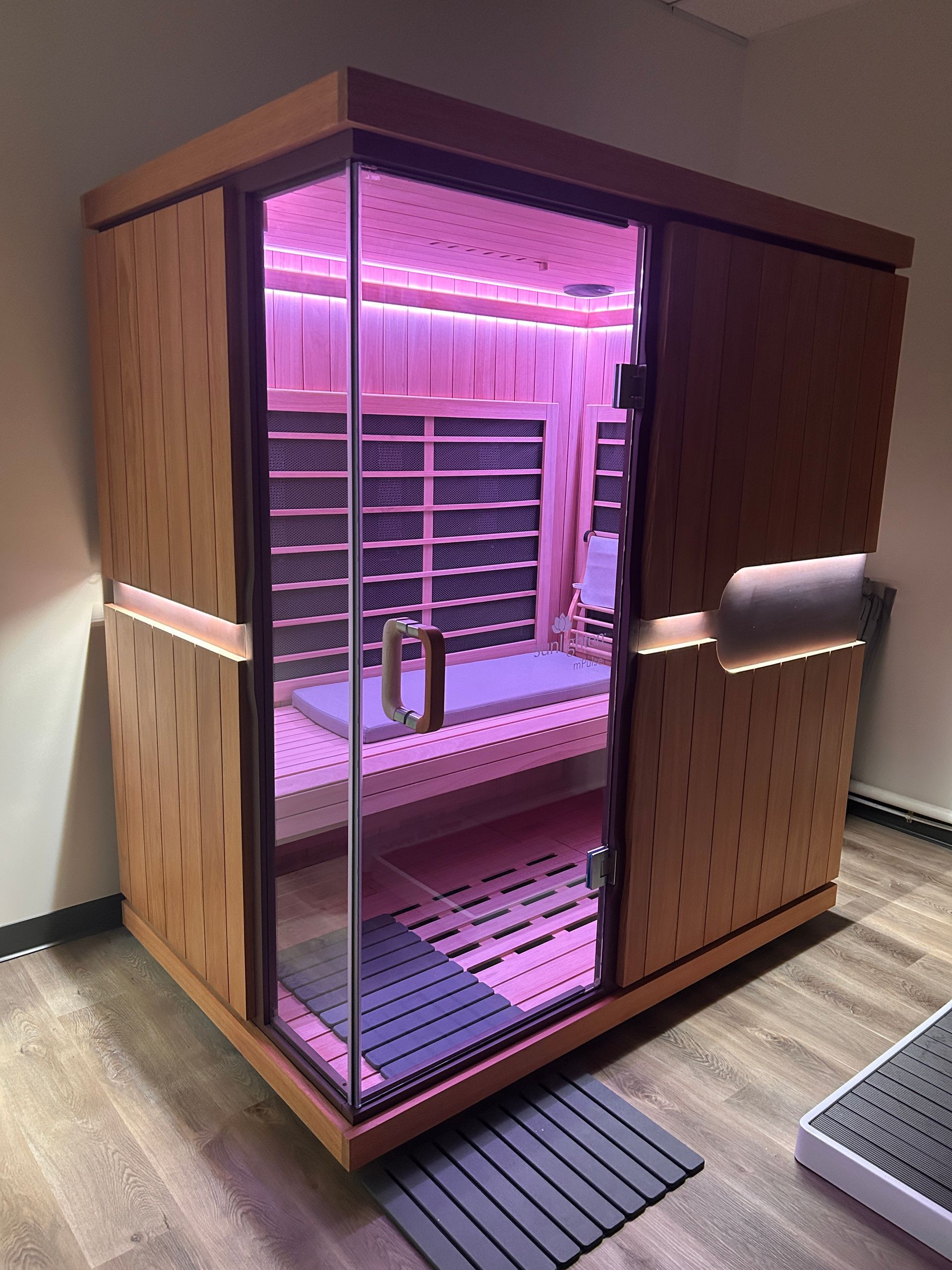
The Finnish data on sauna and cardiovascular mortality is some of the most definitive in all of wellness research.
For centuries, massage has been valued not just as a luxury but as a legitimate path to better health.