Quick Summary...
Quick Summary:
Quick summary: Red light therapy (photobiomodulation, or PBM) may support the appearance of some scars, but it works best as a gentle complement to professional care rather than a standalone fix Results vary a lot by scar type and age, with the most consistent signal for fresh scars and prevention, and slower change for older, set scars Acne, surgical, keloid, hypertrophic, and stretch mark scars each behave differently, so expectations should match the scar A higher-output panel with red and near-infrared wavelengths reaches thick scar tissue better than a low-output mask A visible scar can make you second-guess a photo, a neckline, or a pair of shorts, and if that sounds familiar, you are far from alone. Skin fibrosis, the biology behind raised and stubborn scars, affects more than 100 million people a year, according to skin fibrosis research . The honest question behind most searches for red light therapy for scars is whether it can actually fade a scar, and whether the answer depends on the kind of scar you have. Red light therapy, also called photobiomodulation (PBM), uses specific red and near-infrared wavelengths that may support the skin's natural healing and the look of some scars. Results vary widely by scar type and age, and it works best as a gentle, non-UV complement to professional care rather than a guaranteed eraser. As an early pioneer of clinical-style home panels, PlatinumLED has spent years refining the wavelengths and output that this kind of work depends on. Here is what the evidence supports for each scar type, and how to choose a device that can reach the tissue. Red light therapy may support the appearance of certain scars by encouraging the skin's normal repair activity, and the evidence is strongest for preventing or softening new scars rather than removing old ones. Whether it helps depends heavily on the scar's type, age, and depth, so the real question of whether red light therapy works on scars is several different questions with several different answers. Does red light therapy work on scars? What the evidence shows Red light therapy for skin has real science behind it, but the picture for scars specifically is promising rather than settled. The most consistent finding is that light at specific wavelengths may influence how skin repairs itself, which shapes how a scar eventually looks and feels. That is a different thing from erasing a scar, and the gap is worth being honest about. Current scar-management reviews still center on silicone gel and sheets as a first-line, low-risk option for prevention and early treatment, and an expert consensus notes that no single method is uniformly curative. Red light belongs in that mix as a gentle adjunct, not a replacement for clinician care. Setting that expectation up front is exactly why this guide reads differently from pages that promise dramatic transformations. How red and near-infrared light may affect scar tissue When red and near-infrared light reaches the skin, it is absorbed by structures inside the mitochondria, the parts of a cell that produce energy. That absorption may raise cellular energy (ATP) and support fibroblasts, circulation, and collagen and elastin activity, which govern how a scar remodels. In a 2019 study , red (640 nm) and near-infrared (830 nm) light increased the expression of collagen, elastin, and hyaluronic acid in skin cells, the proteins and molecules that influence texture and elasticity. A 2024 review of photobiomodulation describes similar mechanisms across skin and tissue repair. None of this proves a finished cosmetic result, but it explains why the therapy is studied for scars at all. The honest state of the evidence The research ranges from lab and animal work to small human case series, so the quality is uneven. One of the clearest human signals comes from prophylactic use. In an LED case series , near-infrared light (805 nm) applied to one side after scar revision resulted in better-looking scars than on the untreated side, with no significant treatment-related adverse effects. A split-face trial later explored red light for reducing post-surgical scarring. The throughline is that prevention and early intervention show the most support, while claims about dramatically changing old scars run ahead of the data. That candor is the footing this topic deserves. Prevention vs existing scars Timing matters more than almost anything else. Fresh, immature scars are still actively remodeling, so they tend to respond more quickly and completely. Mature scars are a different story. Based on PlatinumLED's observations, older scars are dense and tightly cross-linked, and while red light may support modest gains in their texture and pliability, fully reversing or flattening rigid, historical scar tissue is unrealistic. For an existing scar, think in terms of gradual changes in texture and tone over months, not days. Red light therapy for acne scars Red light therapy for acne scars is one of the most common reasons people look into this at all. Post-acne marks are often atrophic, which means the skin sits slightly pitted or depressed where a breakout healed. By supporting collagen over time, red light may gradually improve texture and tone, though it usually works best when combined with other skin care products rather than on its own. There is also a prevention angle worth knowing. Red light paired with blue light is studied for active acne, and calming breakouts earlier may mean fewer marks to deal with later. The realistic framing holds here too, since red light therapy for acne scars supports the skin's own repair rather than clearing scars outright. Red light therapy for surgical scars Red light therapy for surgical scars covers the fine-line scars left by incisions, for example, after a C-section or a sternotomy. Red and near-infrared light may support the skin's healing and comfort, and some research suggests softer scar formation when light is introduced early. Two cautions are non-negotiable. Clear the timing with your surgeon first, and never apply light to an open or unhealed incision. Once the wound has fully closed and your clinician has signed off, red light therapy for surgical scars can be a gentle, supportive habit for the healing skin. Red light therapy for keloid and hypertrophic scars This is the section to read slowly. Red light therapy for keloids and hypertrophic scars requires extra caution, as keloids are collagen overgrowths that can be stubborn and tend to recur. The research here is limited. The most promising signals are preventive, such as near-infrared light applied after scar revision, along with in-vitro keloid research showing that red LED light may inhibit keloid fibroblast proliferation in the lab. That is a possible mechanism, not evidence that light removes an existing keloid. If you are keloid-prone, consult a dermatologist before trying anything, as the wrong approach can make matters worse. A note on keloids: Keloids are a medical condition that tends to recur. Red light therapy should not be expected to treat, flatten, or cure them. The honest framing is that it may support the skin and is most studied for prevention, and a dermatologist should guide any plan. Red light therapy for stretch marks Stretch marks, or striae, are a form of dermal scarring, which is why red light therapy for stretch marks comes up so often. Red and near-infrared light may support collagen activity and the look of older, white stretch marks gradually over time, with the same patience every other scar requires. Because the topic deserves its own deep dive, the full protocol, evidence, and expectations live in our stretch marks guide . Red light therapy for scars: How to use it (wavelengths, distance, dosing) Using red light therapy at home for scars is straightforward once you have the right device and a realistic timeline. The steps below reflect common usage baselines, not medical dosing, so always follow your device guidance and your clinician's advice for your situation: Use red plus near-infrared: Red light in the 630 to 660 nm range works on the surface of the skin, and near-infrared in the 810 to 850 nm range reaches deeper, thicker scar tissue. A quality 660nm red light therapy panel paired with near-infrared covers both. Set the distance: About 6 to 12 in works for a localized scar, and you should follow the device guidance for your specific panel. Keep sessions short and regular: Roughly 10 to 20 minutes per area, 3 to 5 days per week, is a common baseline. Patch-test first: Try a small area and confirm your skin tolerates it before moving to longer sessions. Give it weeks to months: Many people look for changes over 8 to 12 weeks or longer, and older, deeper scars may take longer to resolve. Choosing a device (and why a panel beats a mask for scars) When you compare the best red light therapy for scars, three specs matter more than any marketing line. Look for clinically relevant wavelengths, measured irradiance at a stated distance, and coverage that matches the scar you are treating. Thick scar tissue needs the deeper reach of near-infrared and enough power to get there, which is where low-output masks and wands often fall short. That is the practical case for a medical-grade red light therapy at home setup built around a real red light therapy panel rather than a novelty gadget. It is also where PlatinumLED's BIOMAX PRO earns its place. It offers individual control of all seven wavelengths, independently tested irradiance, and the ability to build an official FDA Class II Registered Medical Device, so you can target surface skin and deeper tissue with one panel. Output also changes how long a session needs to take. Where a standard panel might need a full 20 minutes to deliver an adequate dose to scar tissue, the BIOMAX PRO's higher irradiance can complete an equivalent session in about 13 minutes, a meaningful difference for anyone treating a scar as part of a daily routine. Its zero-gap LED construction also matters for larger or wider scars, since it keeps the light field continuous across the whole panel rather than tapering off between diodes, so the edges of a larger treatment area receive the same energy as the center rather than a weaker dose. For a scar that sits deep or covers a wider area, that combination of verified power and control is the difference between a device that reaches the tissue and one that only looks the part. Owners weighing an upgrade can also compare it against the standard BIOMAX line to see where the extra output and control matter. Red light therapy for scars before and after: Realistic expectations Searches for red light therapy for scars before and after usually hope for a dramatic split-screen. The honest version is quieter. Changes are gradual and cumulative, and many people notice differences over 8 to 12 weeks of consistent use, with results depending on the scar's type, age, size, and depth. Some scars soften in texture or fade in redness. Others, especially older and deeper ones, change only a little. There are no guaranteed timelines, and anyone promising one is selling something. If you also deal with fine lines around a scar, our anti-aging guide covers the collagen side in more detail. Is red light therapy safe for scars? Side effects and cautions Red light therapy is generally well tolerated and does not use UV light, which is part of its appeal for skin. A few cautions still apply. Do not use it on open or unhealed wounds without medical guidance. If you are prone to keloids, talk to a dermatologist first. People with darker skin tones may be more sensitive to visible light, and the American Academy of Dermatology notes a risk of longer-lasting hyperpigmentation, so favoring red over near-infrared and patch-testing can help. Standard cautions also apply for pregnancy, epilepsy, implanted devices, and any active skin cancer in the treated area. When in doubt, check with a qualified healthcare professional before you start. A gentle, evidence-informed tool for scar care Here is the takeaway worth holding onto. Red light therapy will not erase a scar overnight, but for the right scar at the right time, it can be a useful part of your routine. Used consistently, it may support the skin's own repair and the appearance of some scars, with the strongest case for prevention and fresh scars and a much humbler one for old, set tissue. Match your expectations to your scar type, keep professional care in the picture, and give it the weeks or months it actually needs. If you want a device that can reach both surface skin and deeper scar tissue, see the BIOMAX PRO and use the Time Saving Calculator to see how its higher output can shorten each session. This content is for educational purposes only and is not a substitute for professional medical advice. These devices are not intended to diagnose, treat, cure, or prevent any disease. Consult a qualified healthcare professional about your specific situation. FAQs How long should you wait after a scar has fully closed before starting red light therapy? There's no universal number, since healing timelines vary by procedure and by person. The general guidance is to wait until your surgeon or clinician has confirmed the incision is fully closed with no scabbing, drainage, or open areas, then get their explicit sign-off before starting. Once you have that clearance, easing in with shorter, lower-frequency sessions and watching how the skin responds is a reasonable way to begin. Can red light therapy help with the itching or tightness that often comes with a healing scar? Some people report that sessions make a healing scar feel more comfortable, with less tightness or itch, though this isn't a well-studied outcome on its own and individual results vary widely. Any comfort benefit would layer on top of, not replace, whatever your clinician has recommended for scar care, like silicone sheeting or prescribed ointments. Does scar location on the body change how red light therapy should be used? Yes, mostly in terms of distance and coverage rather than the underlying approach. Thinner-skinned areas like the face or neck generally call for the more conservative end of the distance and time guidance, while thicker-skinned areas like the back or thighs can typically tolerate the standard protocol. A larger or irregularly shaped scar also needs a panel with even, gap-free coverage so the edges of the treatment area get the same dose as the center. How does red light therapy compare to silicone gel sheets or laser resurfacing for scars? Silicone gel and sheets remain a first-line, low-risk option in scar management guidance, and clinician procedures like laser resurfacing can be more effective for established scars. Red light therapy works best as a gentle complement to these, not a replacement, and many people use it alongside professional care. Which wavelengths and irradiance matter most for treating thicker, raised scar tissue? Thicker scar tissue requires near-infrared light, roughly 810 to 850 nm, which penetrates deeper than red light alone. Adequate, independently measured irradiance at a stated distance matters just as much, since low-output devices may not deliver enough energy to the tissue that needs it.
The Finnish data on sauna and cardiovascular mortality is some of the most definitive in all of wellness research.
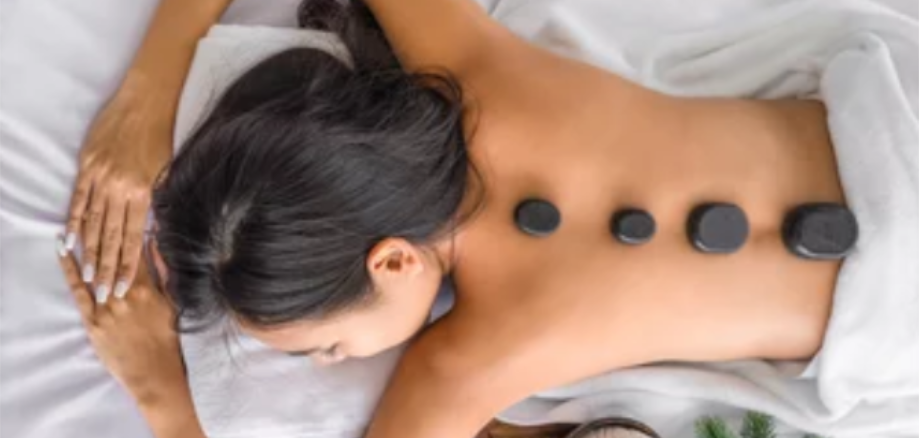
For centuries, massage has been valued not just as a luxury but as a legitimate path to better health.
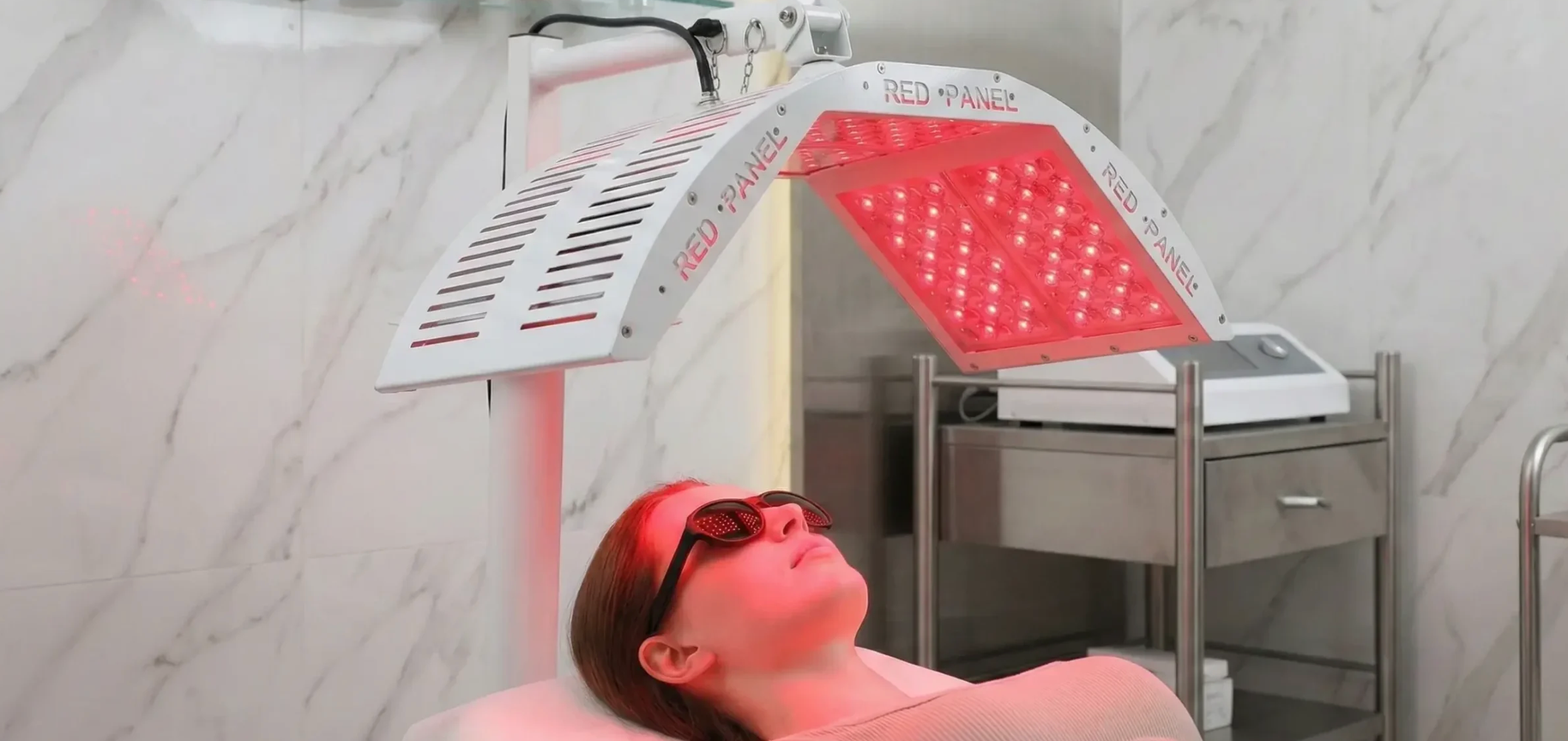
Red light therapy (RLT) has moved from niche biohacking circles into mainstream wellness routines
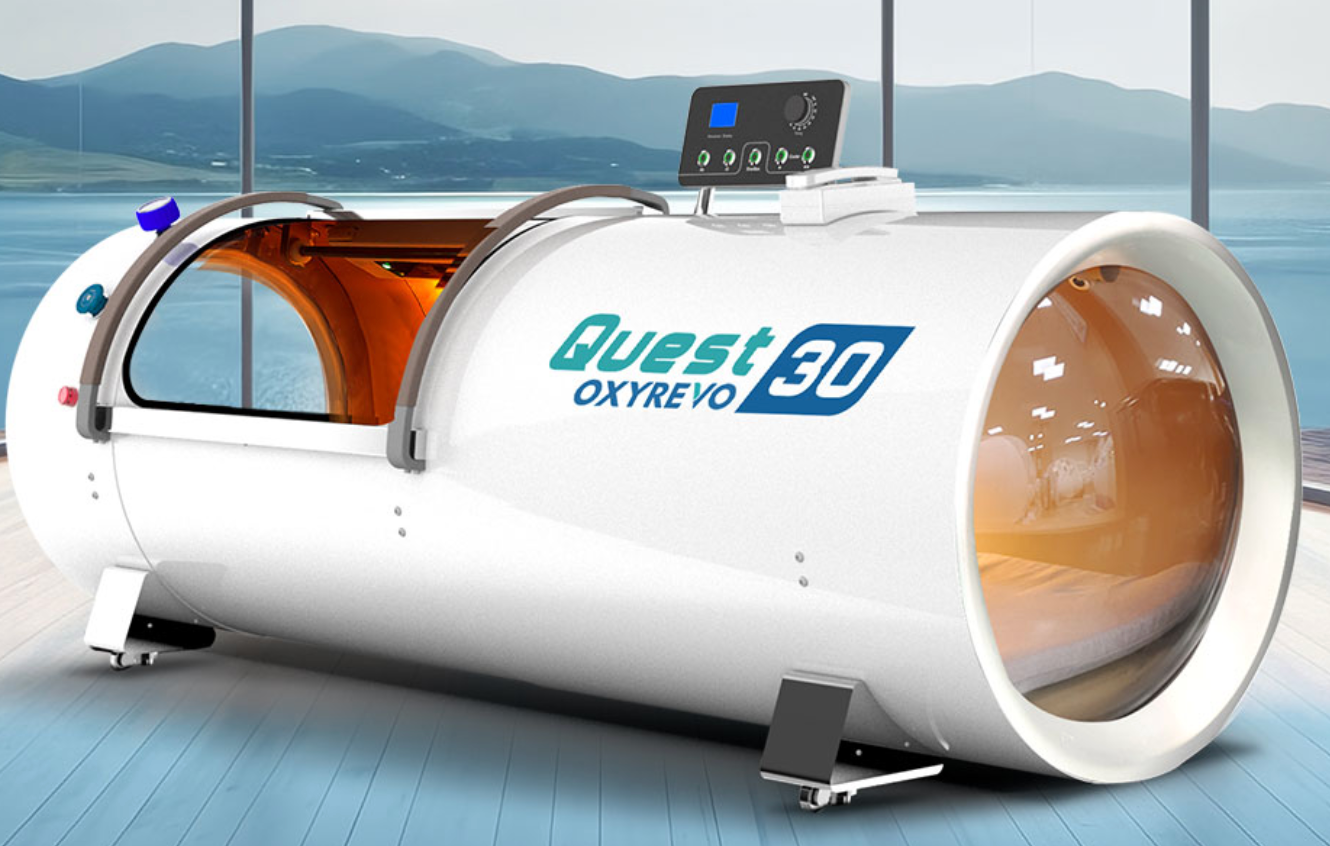
"The Hyperbaric Chamber"
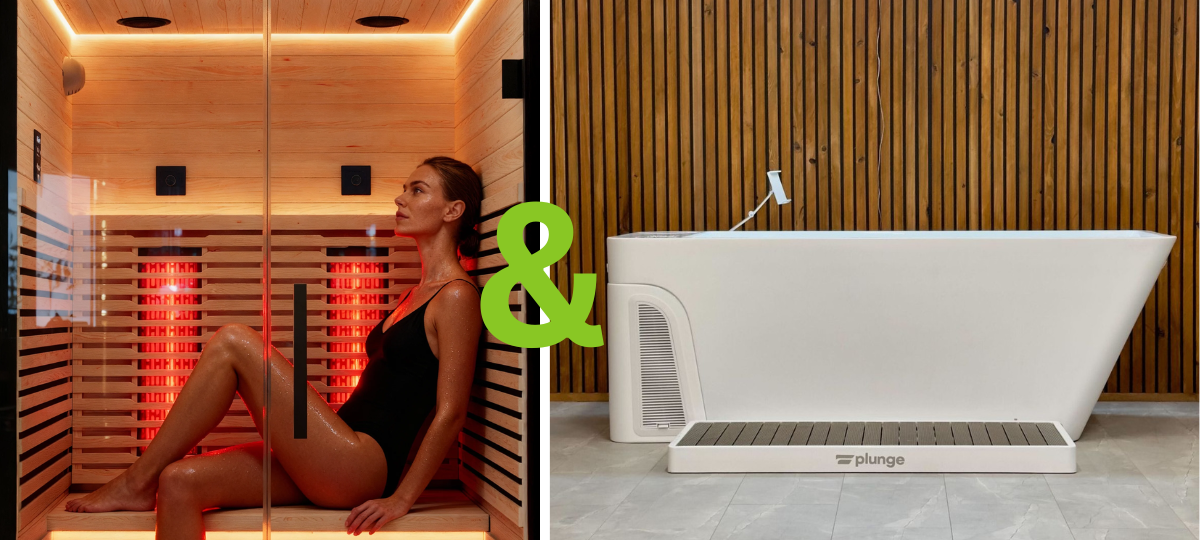
Complement the warmth of an infrared sauna with the cold of the Plunge to enhance circulation, reduce inflammation, and support overall well-being.
If you’re reading this at 3AM, chances are you’re one of 70 million Americans who suffer from some type of sleep disorder. Maybe you’re also frustrated by the adverse effects of sleeping pills, or you feel like lack of sleep is depleting your quality of life. Somewhere in your late-night internet research, you came across ‘red light therapy for sleep’, and you’re wondering, “ How does that work?” Before we dive into how getting red light therapy before bed can improve your ability to fall asleep, stay asleep, and wake up feeling refreshed and rested the next morning, we need to first understand sleep disorders and their relationship to light. What are Sleep Disorders and How Do They Affect You? A sleep disorder is a catch-all phrase for conditions that prevent adequate, restful sleep. Lack of sleep is a widespread problem with serious consequences, such as automobile accidents, impaired learning, and a host of health issues including shortened lifespans. Common Types of Sleep Disorders Researchers have identified around 90 distinct types of sleep disorders. Here are the most common ones: Insomnia is the most commonly reported sleep disorder, affecting 10 percent of Americans. It’s defined as having difficulty falling asleep or staying asleep, even with the opportunity to get a full night’s sleep, and not due to substance use or medication conditions. Sleep apnea is irregular and often interrupted breathing during sleep. It contributes to hormonal imbalances, development of hypertension, arrhythmias, coronary artery disease, congestive heart failure, stroke, and diabetes. Narcolepsy and idiopathic hypersomnia is clinically significant excessive daytime sleepiness that is not due to circadian sleep disorder, sleep-disordered breathing, sleep deprivation, or any known medical conditions. Circadian rhythm disorders are environmentally- or lifestyle-caused sleep disorders. Jet lag, shift work, competitive work cultures (i.e., staying up late to work), as well as easy access to TV and the Internet , have all been found to adversely affect sleep. Consequences of Sleep Disorders The various sleep disorders are somewhat different in the ways they manifest, but most share these common symptoms: Excessive and uncontrolled daytime sleepiness; Difficulty falling asleep or staying asleep; High incidence of nightmares, sleepwalking, or other abnormal sleep behaviors; Restless legs syndrome ; Clinically significant emotional distress (irritability, depression, and anxiety); and Social and occupational impairment, including falling asleep at the wheel or on the job.

For most of the past decade, “wellness” was an aesthetic. It was eucalyptus towels, beautifully designed lounges and perfectly lit recovery rooms.